HÉTÉROTOPIES HÉTÉROGÈNES
perceptual cartography of the relational processes through which reality is constructed
Collage becomes a perceptual model: a way of observing how relations construct reality.







H
H
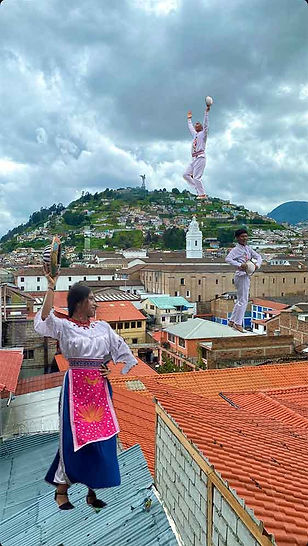
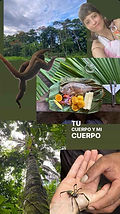
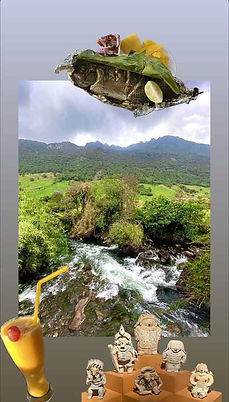
HÉTÉROTOPIES HÉTÉROGÈNES brings together visual assemblages created from photographic fragments, personal archives, landscapes, cultural signs, objects, symbols and situations from everyday life. These compositions do not seek to produce a linear narrative. They explore a perceptual hypothesis: that what we call ‘reality’ does not appear as a collection of isolated objects, but as a network continually constructed through association, memory, experience and the bringing into relation of heterogeneous information. I conceive of these assemblages as perceptual heterotopias: spaces in which different temporalities, scales and layers of experience coexist without a stable hierarchy. Here, collage functions not only as an artistic process, but as a visible model of a cognitive process of bringing things into relation. Each image then becomes a node within a broader network. Meaning is no longer contained within the elements themselves, but emerges from the correspondences constructed between forms, materials, events, symbols and memories. In this research, collage acts as a tool for thinking as much as for creation. It makes perceptible relations that usually remain implicit, revealing how perception continually organises, interprets and recomposes the information it encounters. HÉTÉROTOPIES HÉTÉROGÈNES thus constitutes an attempt to make visible not a fixed reality, but the relational processes through which it is continually constructed within perceptual experience.