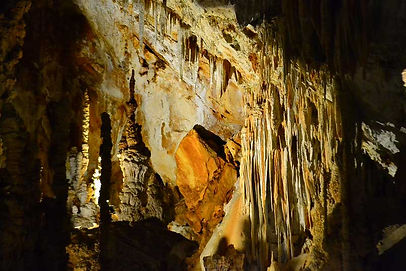
PRÉSENCES
perceptual modalities towards a world that becomes presence
There are moments when the world ceases to be a backdrop.
Perhaps this is where a presence begins.


AVÈNEMENTS

Something happens.

Seeing begins.

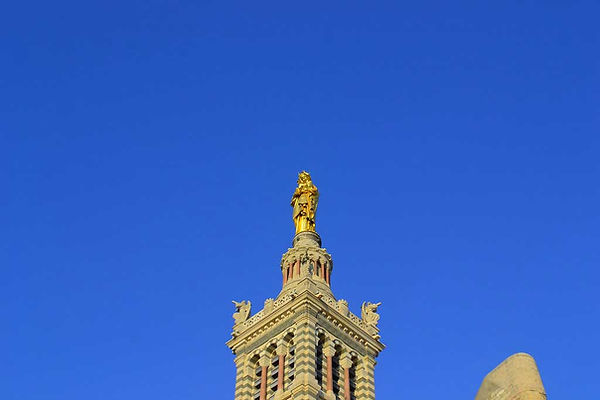
It was not absent.


A presence takes form.


ACCALMIES

Attention suspends time.


Time becomes habitable.

There is nothing to wait for.

The present ceases to pass.

APPELS


To see is already to orient oneself.


Every direction begins before the first step.


A call does not indicate a destination.
It opens an orientation.


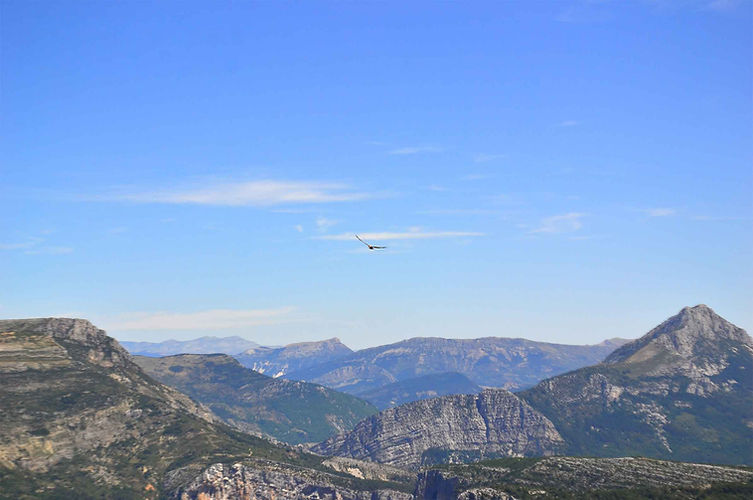
PARTITIONS

Places compose us before we understand them.

Who interprets whom?

We never cross a landscape alone.

We never inhabit the same space twice.


DÉCENTREMENTS


The world does not begin with me.


Every presence is a possible centre.

To see is already to be seen.


The gaze belongs to no one.

PROINDIVISO


To be is already to belong.

What appears, appears with.

Every presence inhabits a shared world.


IMBRICATIONS


We never encounter just one thing.

Every form is already multiple.


What separates connects.

Presences exist through one another.


DÉPLOIEMENTS
Every form continues elsewhere.


Nothing ends where it seems to end.


Every form is in process.
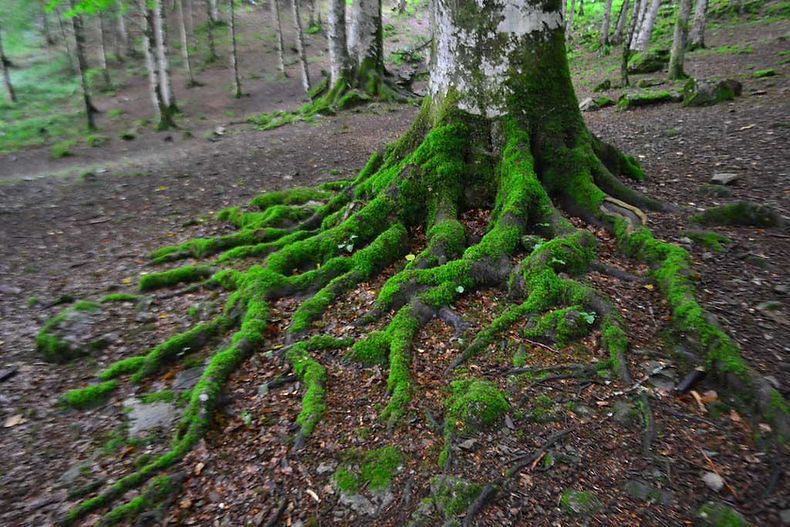
CORRESPONDANCES

The world always responds.

Nothing passes through it without altering it.

Every contact continues beyond itself.

Every encounter leaves a different world.

RAYONNEMENT

A presence always extends beyond its form.


Some presences begin where their contours end.

Proximity is not a question of distance.

DISSOLUTION
Perhaps contours are merely a habit of the gaze.

The world does not separate as quickly as we do.

Nothing begins exactly where something else ends.


Boundaries appear later than the world.

MÉDIATIONS
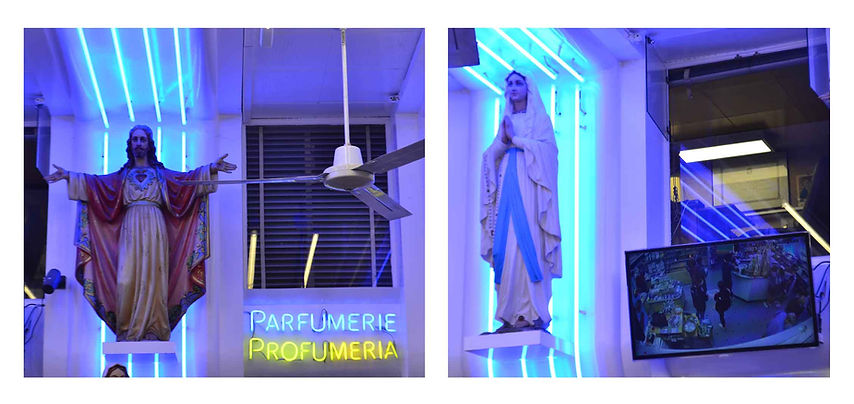
Nothing appears without a way of appearing.

The world presents itself before it shows itself.

We also look at what teaches us how to look.
RÉMANENCES

A moment never comes alone.

What passes does not always disappear.

We never see a single moment.
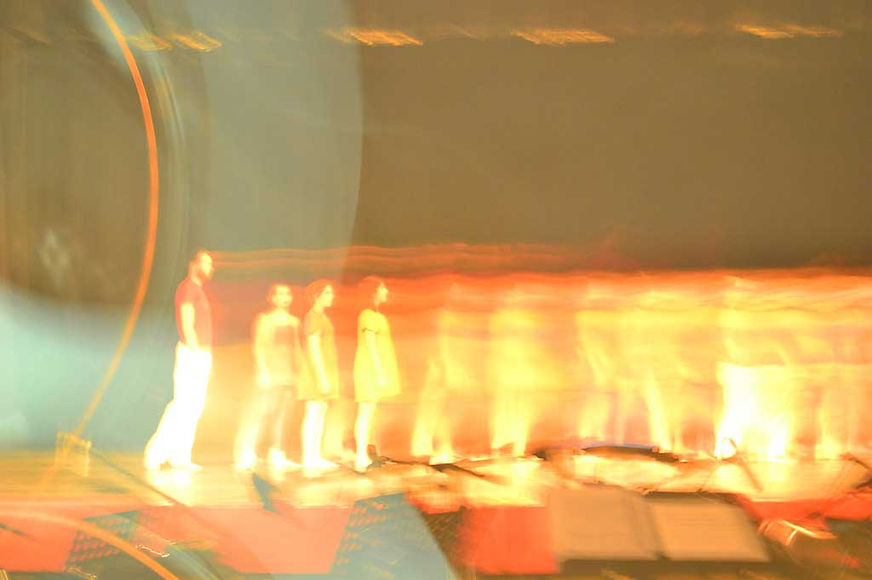
The present arrives carrying other presences.


-
\
-
#
-
~
-
~
-
-
~
-
-
~
-
\
-
#
-
~
-
-
~
-
~
-
~
\
-
#
-
-
-
~
-
-
~
-
-
-
-
~ ~
-
-
-
\
#
-
~
-
~
-
~
-
~
-
\
-
#
-
-
~
-
-
-
~
-
~
-
-
~
\
-
#
-
-
~
-
~
-
~
-
\
-
#
-
-
~
-
~
-
-
~
-
~
-
\
-
#
~
-
-
~
-
-
~
-
\
#
-
~
-
~
-
~
-
~
\
-
#
-
~
-
-
~
-
~
\
-
#
~
-
~
-
~
-
-
~
-
\
#
~
-
~
-
~
-
\
#
-
~
-
~
-
~
-
~
-
\
-
A presence is never given. It comes into being. It belongs neither to things nor to the gaze alone, but to the encounter that makes them exist for one another. What appears therefore does not constitute an autonomous object: every presence arises from a set of relations, rhythms, distances, continuities, resonances and transformations that suddenly make the world perceptible differently. The photographs gathered in PRÉSENCES do not document places, beings or events. They constitute the site of a research into the different modalities through which a presence comes into being in perception. They are classified neither by theme, geography nor chronology, but according to the perceptual operations they make perceptible. Each group isolates a particular way in which perception organises itself: something happens, time grows calm, a direction appears, a place composes the one who inhabits it, the gaze loses its privilege, beings co-belong, forms intertwine, unfold, respond to one another, radiate, dissolve their boundaries, reveal their mediations or persist beyond their own disappearance. This is therefore not a typology of the visible world, but an attempt to describe the conditions through which reality becomes presence. Photography appears here as the first laboratory of this research. Long before the installations, performances or perceptual cartographies, it already constituted a silent exercise in attention. Returning to these images, I discover that they did not record subjects, but the circumstances in which the world ceased to be a backdrop and became phenomenon. PRÉSENCES thus proposes a hypothesis: perception does not merely reveal the world. It continually participates in its coming into being. Presences do not pre-exist the gaze as closed realities; they emerge from a fabric of relations of which we are always already a part. Perhaps the world is not composed of objects that we observe. It is composed of presences that we gradually learn to encounter.